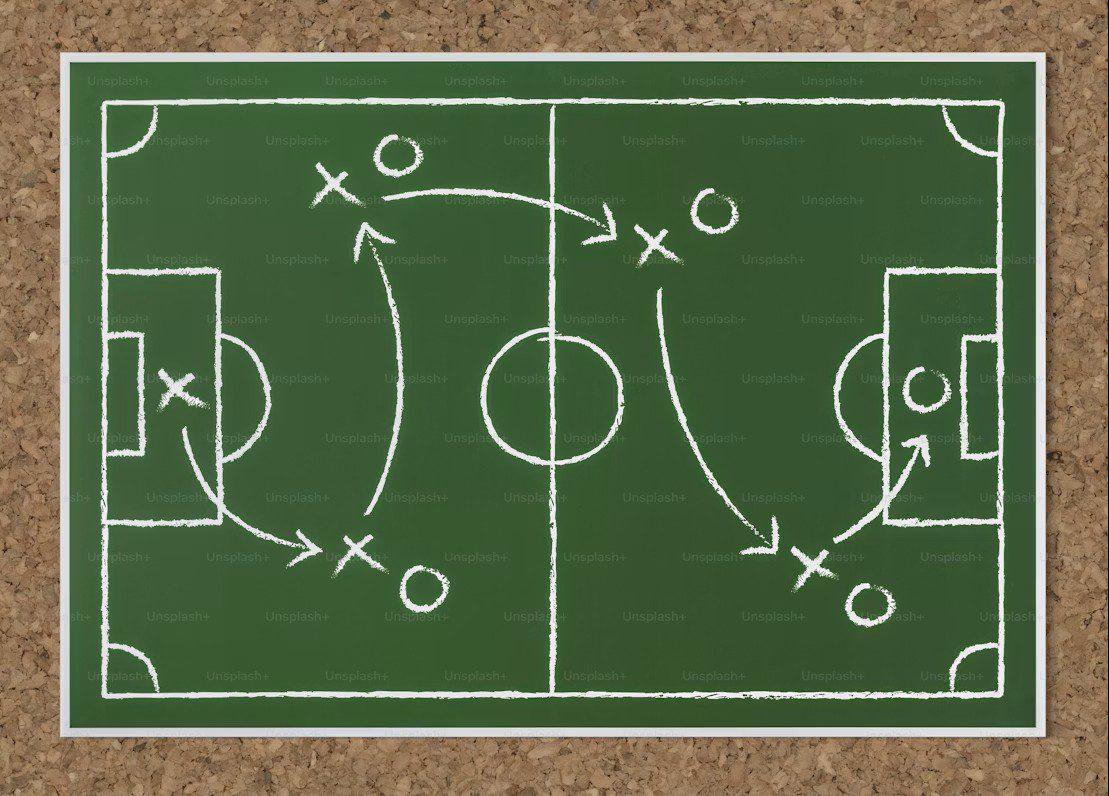

One theme worth revisiting is discussing the difference between tactics and strategy when putting your cash to work. There is no shortage of investment opportunities today, so how can you make better decisions that stick? I believe it begins with understanding the difference between investment tactics and strategies.
Tactics are individual choices you make with your money. Often, they are focused on short term actions, when one tactic isn’t working you may easily switch to another. Being able to interchange tactics is what makes them so appealing. With countless approaches, tactics allow you to address the “how” in sorting your investments.
Strategy is planning. Your financial plan and planner, which I believe are one in the same, is there to present questions so you may clarify your “why”. This is done by linking purpose to your dollars based on what’s important to you. Purpose follows process, so having a system to lean on in all market conditions allows investors to think in longer blocks of time. Strategy is about decades. Reflecting on where you’ve been and where you are heading requires time, patience, and a good temperament.
Strategy is like watching the grass grow. That’s why investors often lead with tactics when investing their money. FOMO (fear of missing out) is responsible for more unnecessary actions with the premise of creating “more” with your money. This stems from a mistaken belief that you must actively “do things” with your investments to achieve the results you want. Blame this on the hard wiring in our brains that nudge us towards a tactics first approach when dealing with money.
Examples of investment tactics include:
- Tax loss harvesting
- Active versus passive management
- Leveraged and inverse ETFs
- Buffered investments
- Fund company selection
- Direct indexing
- Market timing
All this energy channeled to managing money could be better spent on creating, implementing, and checking on a strategy that works for you. Investments shouldn’t be discussed until you have a clear strategy. In my work with clients, we spend 90% of our time together on strategy with the final 10% on implementation and investment tactics. Our ongoing communication is always planning first, portfolio second. So many investors have this flip flopped.
I routinely ask these questions and more to clarify strategy.
- What exact goals are you hoping to achieve?
- What’s your time horizon?
- What’s the “why” driving your decisions?
- How do your current cashflows support what you want?
- Where are your blind spots?
- What fears are holding you back?
- How do you quantify enough?
These questions have nothing to do with how to invest your money and everything to do with what you want from your investments. Money is an instrument that allows investors to spend time where they want to IF a strategy is in place. The key to a good strategy is revisiting your values and what’s truly important to you periodically overtime. It’s not uncommon for couples to update their strategy as life plays out.
Without strategy, investors have very little to hold on to beyond the results from their investments. Company values and earnings have been expanding for some time. What happens when the wind changes direction? Many investors will change their portfolio to capture earnings and growth elsewhere. This tactic creates pressure on reacting around the singularity of results.
Strategy is independence when you spend time in a relationship with a planner. This allows you to loosen your grip, focus your attention on what matters, and reduce worry knowing your future is anchored to more than just investment returns. This leads to a life well lived.